
Recent News
For more news about the Department of Earth and Environmental Sciences, visit our research highlights.

Hidden ocean feedback loop could accelerate climate change
Researchers identify how warming oceans may trigger increased methane emissions, adding a key insight for current climate models.
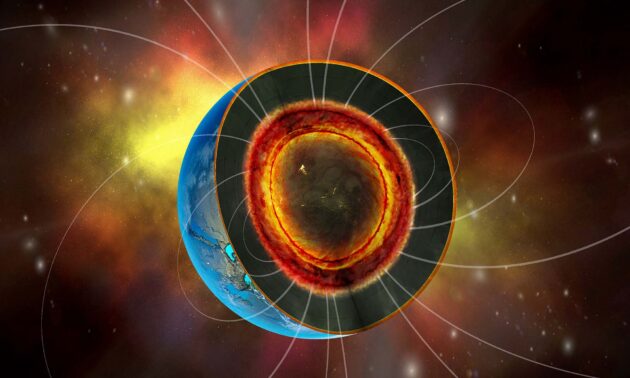
Hidden magma oceans could shield rocky exoplanets from harmful radiation
New research suggests that molten rock deep inside so-called super-earths may generate powerful magnetic fields necessary for sustaining life.

Earth’s atmosphere may help support human life on the moon
New research shows that Earth’s magnetic field has helped deliver atmospheric particles to the lunar surface over billions of years.

Souped-up kayaks become ‘floating laboratories’ on the Genesee River
URochester researchers use specially designed kayaks to collect real-time data on methane and carbon dioxide emissions.
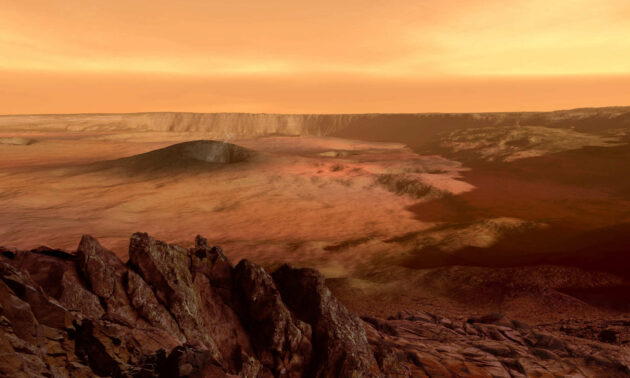
Mars surface patterns resemble Earth, revealing secrets of its past
Wave-like landforms on Mars offer insights about the planet’s icy past, its potential habitability, and the physics of flowing granular materials.

January 2025 in Photos
The start of a new year brought innovative events, a peek into the past, and a snowy first day of classes. Here’s how we spent January at the University of Rochester.
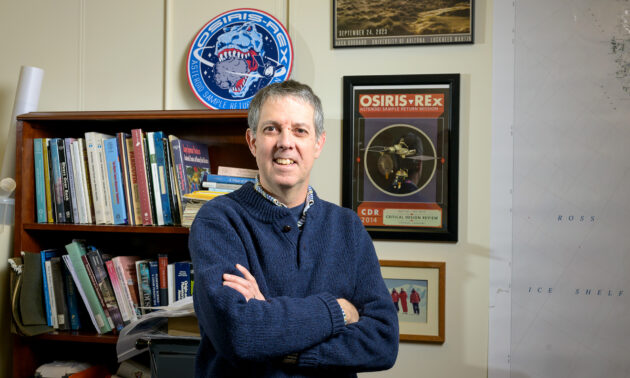
Rochester’s Kevin Righter kept NASA space rocks free from contamination
Precise curation was necessary to discover that the Bennu asteroid sample contains building blocks of life on Earth.

Undergraduates pair research with reporting, science with sign language, and programming with pondering
The Wells Prize honorees exemplify the best of the multidisciplinary educational opportunities available at Rochester.
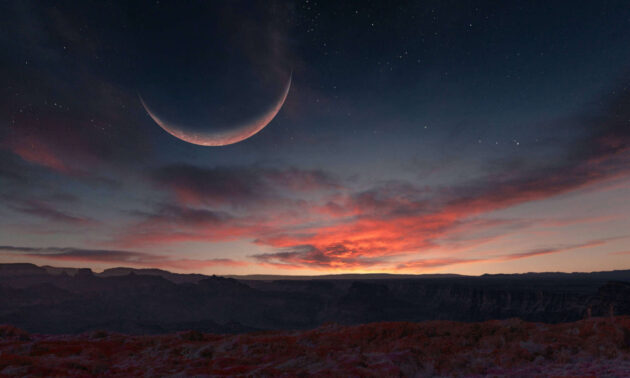
In the hunt for a second Earth, look to small planets
The recommendation is based on new research from Rochester scientists about the role of streaming instability in forming moons and planets.
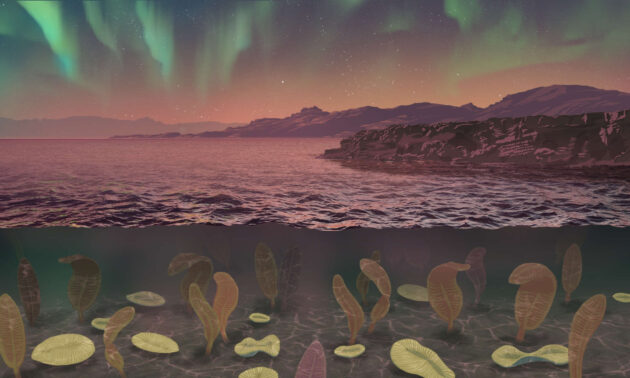
Did a magnetic field collapse trigger the emergence of animals?
Evidence suggests a weak magnetic field millions of years ago may have fueled the proliferation of life.